

Call us now
08045814334

 Send Inquiry
Steatite Ceramic Beads
Steatite Ceramic Beads Specification
- Product Type
- Ceramic Beads
- Ceramic Type
- Steatite
- Material
- Steatite Ceramic
- Chemical Resistance
- Excellent against most acids and alkalis
- Dielectric Strength
- 18 kV/mm (typical)
- Water Absorption
- <0.5%
- Thermal Conductivity
- 2.5 W/mK
- Application
- Electrical Insulation, High-Temperature Applications, Bead Chains
- Density
- 2.6 g/cm³ (approx.)
- Hardness
- 7 Mohs
- Max Operating Temperature
- 1000°C
- Size Range
- Available in Various Diameters (customizable)
- Surface Finish
- Smooth/Glazed
- Shape
- Round / Cylindrical
- Color
- White / Off-White
Steatite Ceramic Beads Trade Information
- Main Domestic Market
- All India
About Steatite Ceramic Beads
Owing to our immense expertise in this field, we are engrossed in manufacturing, exporting and supplying a wide collection of Steatite Ceramic Beads to the valued patrons. Featured with lustrous shine, unique design, and long-lasting finishing standards, alumina ceramic pattern, and round shape, these are made up of ceramic material with developed technology in adherence with industry standards. Besides, Steatite Ceramic Beads can be availed in customized size, varied grades and multiple colors at economical prices with safe box packaging.
Specification:
|
Production |
Range |
Industry Served |
Chemical Properties |
Water |
Density |
Hardness |
Apparent |
|
High Density |
4,6, 8,10, |
Paints, |
Si02 + Al2O3 |
0.0003 |
2.8 |
7.5 |
NIL |
|
Superior Grade |
30 40 |
Si02 + Al2O3 |
NIL |
3.2 |
8 |
NIL |
|
|
High Toughened High |
30. 40, 50. |
Si02 + Al2O3 |
NIL |
3.5 |
9 |
NIL |
|
|
High Density |
For All Types Attention & Ball Mill |
SiO2 + Al2O3 |
NIL |
2.8 |
7.5 |
NIL |
|
|
High Toughened |
For All Types Attritor & Ball Mills |
SiO2 + Al2O3 |
NIL |
3.2 |
9 |
NIL |
| Shape | Round |
| Color | Multi |
| Size | Customized |
| Brand | Synco Industries |
| Packaging Type | Box |
| Pattern | Alumina Ceramic |
Premium Insulation with Steatite Ceramic
Designed for demanding electrical and thermal environments, Steatite Ceramic Beads offer superior insulation and reliability. Their high dielectric strength and low water absorption minimize performance loss under stress, making them suitable for electrical components and bead chains where safety and efficiency are critical.
Built to Withstand Heat and Chemicals
Engineered from steatite ceramic, these beads can endure temperatures up to 1000C without compromising structural integrity. Their excellent resistance to most acids and alkalis provides unmatched durability in corrosive or high-temperature settings, making them a preferred choice for industrial and laboratory applications.
Customized for Diverse Applications
Available in a range of sizes and shapes, our beads can be tailored to meet specific project needs. Whether for use in electrical insulation, high-temperature assemblies, or forming bead chains, their smooth or glazed surfaces ensure minimal abrasion and optimal performance across various industries.
FAQ's of Steatite Ceramic Beads:
Q: How are Steatite Ceramic Beads used in electrical insulation?
A: Steatite Ceramic Beads serve as insulators in electrical systems due to their high dielectric strength (18 kV/mm typical) and low water absorption, reducing risks of electrical leakage and ensuring stability and safety in circuits.Q: What benefits do these beads offer for high-temperature applications?
A: With a maximum operating temperature of 1000C and exceptional thermal conductivity (2.5 W/mK), Steatite Ceramic Beads maintain structural integrity and efficient heat dissipation in high-temperature environments, ideal for furnaces and thermal assemblies.Q: When should I choose steatite over other ceramics for bead applications?
A: Steatite is preferred when excellent electrical insulation, high-temperature resistance, and cost-effectiveness are required. Its combination of hardness, chemical resistance, and low water absorption makes it suitable for challenging industrial conditions.Q: Where can customized sizes of these beads be sourced?
A: As a manufacturer, exporter, supplier, and trader in India, we offer Steatite Ceramic Beads in various customizable diameters to meet specific requirements for domestic and international clients.Q: What is the process involved in manufacturing these beads?
A: Production involves shaping steatite ceramic material into round or cylindrical beads, followed by firing at high temperatures to achieve smooth or glazed finishes and ensure optimal physical and electrical properties.Q: How do Steatite Ceramic Beads perform against chemical exposure?
A: They exhibit excellent resistance to most acids and alkalis, maintaining their strength and functionality even in corrosive environments, which is beneficial for laboratory and industrial chemical processes.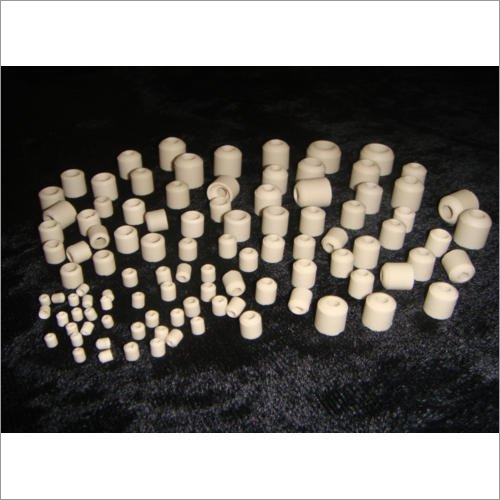
Tell us about your requirement

Price:
Quantity
Select Unit
- 50
- 100
- 200
- 250
- 500
- 1000+
Additional detail
Mobile number
Email


SYNCO INDUSTRIES LIMITED
GST : 08AAACS5548J1Z2
GST : 08AAACS5548J1Z2
B No. 16- A- 3, Heavy Industrial Area, Jodhpur - 342003, Rajasthan, India
Phone :08045814334
 Send Inquiry
- Molecular Sieves
- Zirconia Alumina Composite Beads
- Vibro Finishing Beads
- Black Carbon
- Zirconium Silicate Beads
- Alumina Zirconia Grains
- Finishing Media
- Activated Alumina
- Steatite Ceramic
- Yttria Stabilized Zirconia Beads
- Coating Chemical
- Zeolite Granules
- SS Balls
- Ceramic Balls
- Milling Machine
- Zeolite Powder
- Attrition Mills
- Zircon Sand
- CARBON BLACK
- DISPERSING AGENTS
- ZIRCONIA DENTAL BLOCKS
- Dentist
 Send Inquiry
 Send SMS
SYNCO INDUSTRIES LIMITED
All Rights Reserved.(Terms of Use)
Developed and Managed by Infocom Network Private Limited.
Developed and Managed by Infocom Network Private Limited.

